Port rivalry on the Red Sea: Djibouti is no longer the only address
Alternative port and corridor investments are reopening the question of how transit revenue is shared.
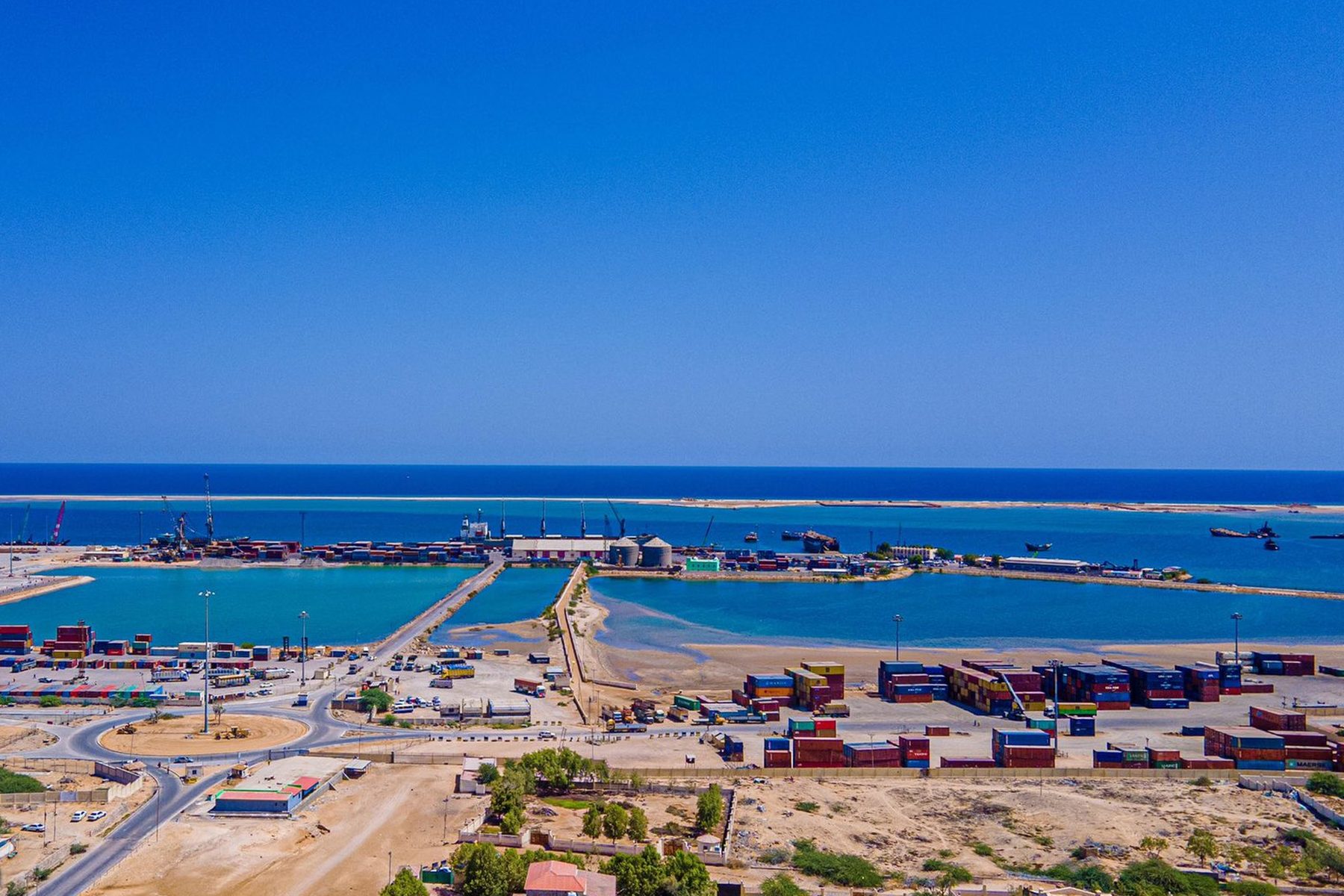
For two decades the shortest answer to how landlocked cargo reaches the sea in this region was Djibouti. Terminal investment along the same coast has made that answer longer, and every alternative berth changes the negotiating position of the countries that use it.
Transit revenue is the real subject. A corridor is a bundle of port fees, road or rail tariffs, customs handling and insurance, and shippers compare the bundle rather than any single line in it.
Reliability competes with price. A cheaper berth that adds two days of clearance is not cheaper for a trader financing stock, which is why clearance times matter more in these decisions than published tariffs suggest.
The corridors are also political instruments. Access agreements are negotiated between governments, and they carry commitments — security, basing, guarantees on volumes — that outlast the commercial terms.