Mogadishu port: a new customs schedule and the cost of an imported sack
A revised schedule changes landed costs, but clearance time decides what reaches the shelf price.
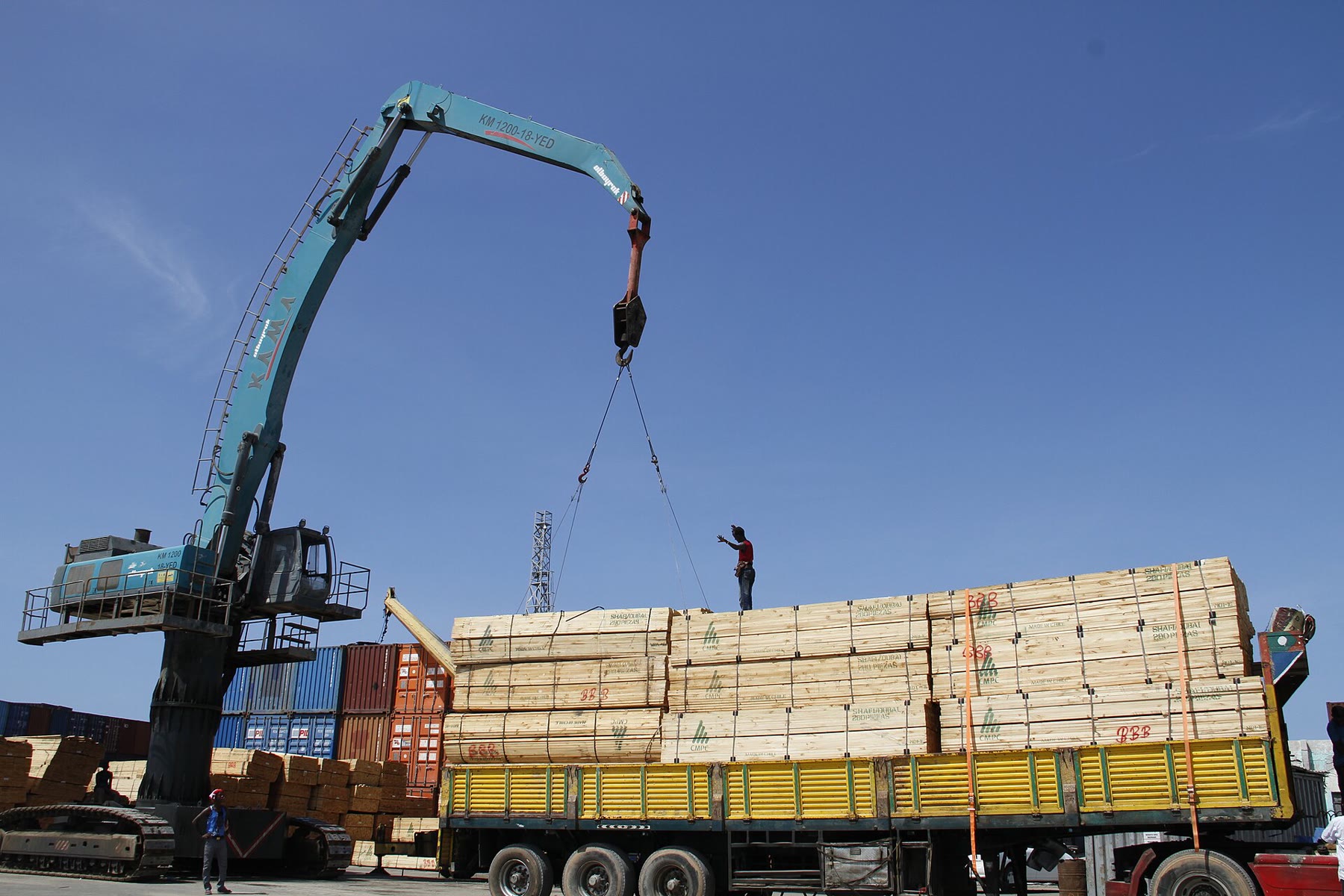
A revised customs schedule at the port changes the landed cost of everything that arrives by sea, which in an import-dependent market means most of what is sold inland.
Traders price the whole chain, not the tariff line: the duty, the handling fee, the days a container waits, and the cost of the credit that covers the wait. A schedule that lowers the duty and lengthens the wait can leave the shelf price where it was.
Collection matters as much as the rate. Customs receipts are one of the few revenue streams a central government controls directly, so how consistently the schedule is applied has consequences well beyond the quayside.
The measurable test is the spread between the port and the inland markets. If it narrows over the coming months, the change reached the trader; if it does not, it was absorbed somewhere in between.