Geothermal in the Rift Valley: the cheapest megawatt and the grid that carries it
Evacuation lines, not the resource, are the tightest constraint on new capacity.
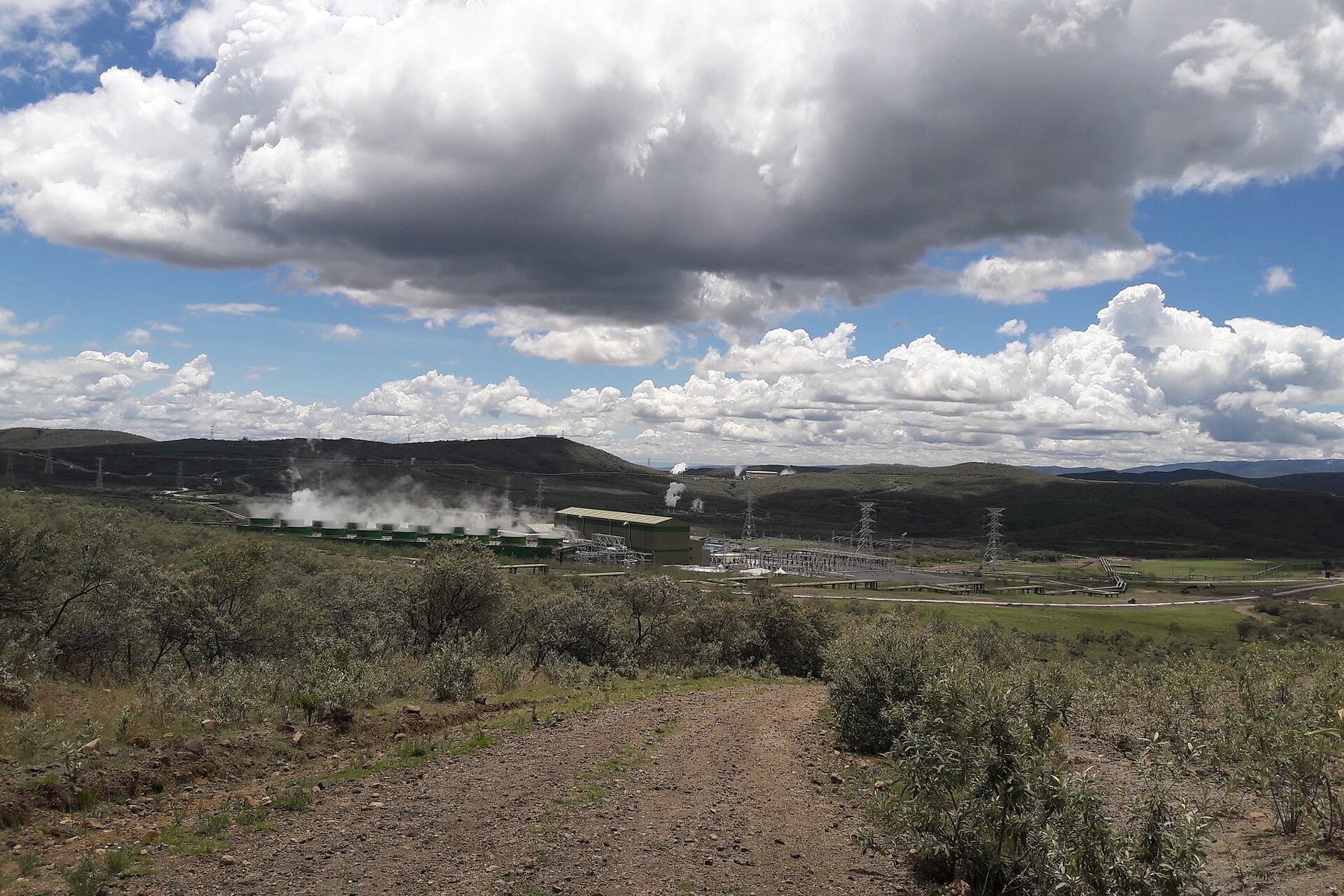
Geothermal supplies steady output regardless of weather or season, which is what makes it the backbone of the Kenyan grid rather than one more source on it.
The constraint has moved from the wellhead to the wires. New capacity is worth what the transmission network can deliver to load centres, and evacuation lines take longer to build and to consent than the plant itself.
The cost of finance decides the tariff more than the resource does. Drilling carries exploration risk, and the price at which that risk is funded is passed through to every unit sold for decades.
Demand is the other half of the equation. Capacity that arrives before the industrial load to absorb it produces contracted payments for power nobody uses — a familiar and expensive pattern.